Anterior Cruciate Ligament (ACL) Injury

Causes and treatment for ACL injury
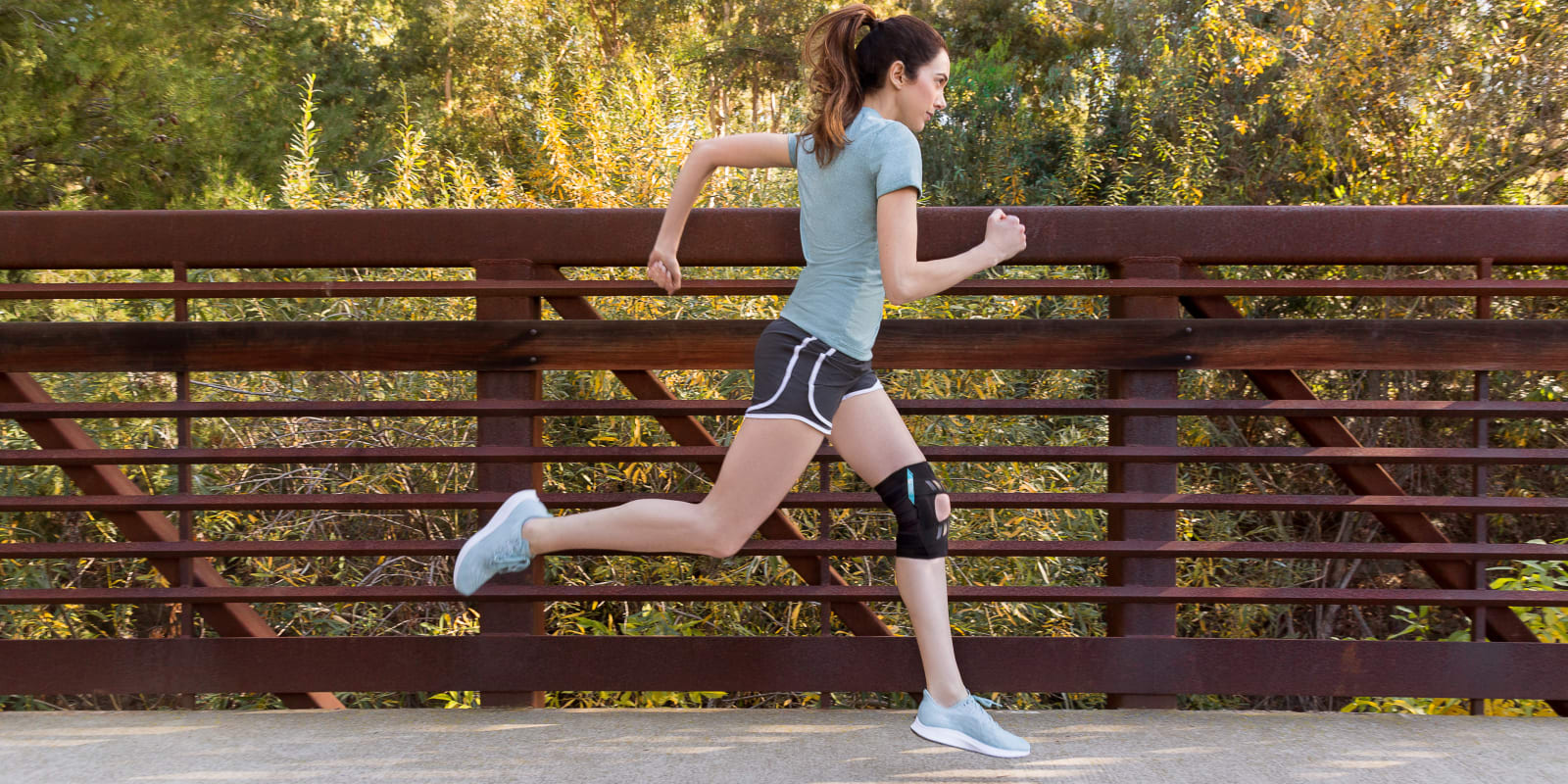
An ACL injury can be caused by direct impact to the knee, a sudden fall or twist, or excessive pressure on the joint. It is particularly common in certain sports, including running, table tennis and badminton.
The injury can range from a minor sprain to a total tear, and treatments include a span of options from physiotherapy to surgery. Furthermore, an ACL injury is likely to cause additional damage to the meniscus and articular cartilage. You can minimize injury by staying active throughout life and taking care to exercise reasonably and correctly.
Measuring an ACL Injury
There are three grades of severity when diagnosing an ACL injury:
- Grade 1 – The ligament is stretched causing instability in the knee joint, i.e. a sprain. Damage is usually relatively mild.
- Grade 2 – A partial tear of the ligament that causes weakness and instability in the knee.
- Grade 3 – Full rupture of the ligament that leaves the knee without support or stability. Often the ligament detaches from the bone.
Symptoms of an ACL Injury
Many patients report a “popping” sound in the event of an ACL injury. Other symptoms can include swelling or inflammation, instability (the knee gives way), discomfort, tenderness, and stiffness.
If you suspect an ACL injury, discontinue your activity immediately and see a doctor. Sight and touch will tell the doctor a lot, but diagnosis may also include a Magnetic Resonance Imaging scan (MRI)
Preventing Injury
Here are a few easy precautions to help you protect your knee joints:
undefinedundefinedundefinedundefined
Treatment
Most ACL injuries involve a tear, and the most likely treatment is keyhole surgery, or arthroscopy. If the ligament has come away from the bone, it can’t be reattached. Rather, the surgeon will graft a substitute tendon from your patellar, quadricep, or hamstring.
Before the operation, you’ll have to allow time to reduce swelling and regain some flexibility in the joint. An operation that’s performed too early will likely result in scarring that can cause long-term reduced mobility.
Please note, there is no stand-alone swelling treatment, however, you can aid the process with cold, i.e. icepacks. A knee brace can also serve to relieve pressure on the joint.
Surgery is not a stand-alone solution to an ACL injury. It should be combined with extensive rehabilitation to strengthen the knee and improve mobility. A strengthening programme and appropriate physiotherapy are critical to the operation’s success and your return to an active lifestyle. Your physio programme should be customized to your specific needs.
After surgery, bracing may provide an extra layer of support for the knee as well as pain relief. Expect to use crutches for the first week or two.
Most of all, be patient. Recovery following ACL surgery requires time and effort, but if you’re an active person, it’s worth it.