Arm prosthesis for children with dysmelia
The purpose of the prosthesis and its acceptance are decisive factors.
The decision to provide prosthetic treatment for children with dysmelia — i.e. a congenital malformation of a limb — presents a particular challenge. This is because taking this step, or not taking it, has far-reaching consequences for the child's life.
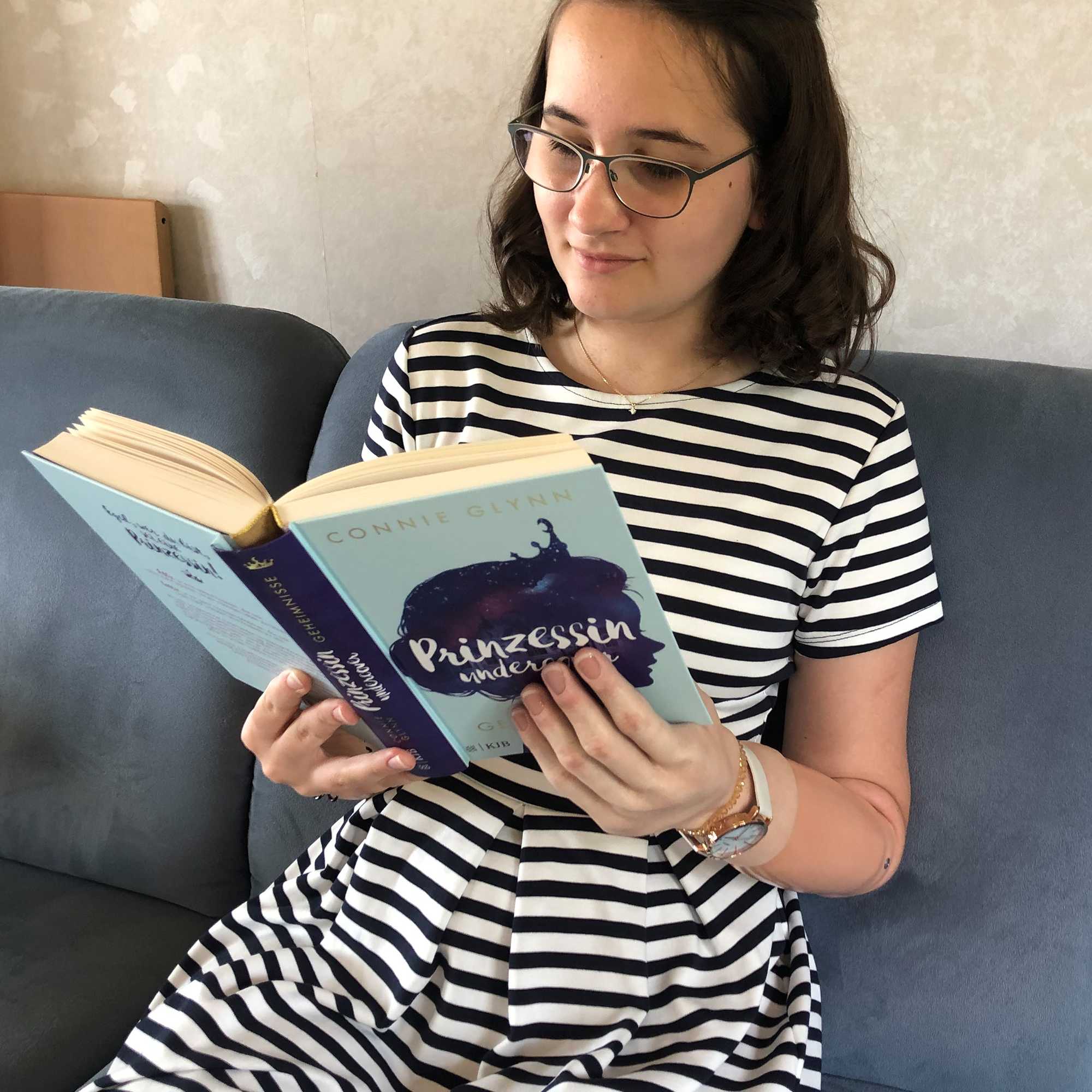
Advantages of prosthetic treatment
Many parents wonder at what age a prosthesis is advisable and how prosthetic treatment will affect their child's development and well-being. Unfortunately, there is no general answer to this question.
A prosthesis for the upper extremity can be useful, for example, to prevent back problems by compensating for weight or length differences in childhood, or to expand the child's (athletic) opportunities. However, this can only work if the child is willing to wear the prosthesis.
Acceptance of the prosthesis
The child's acceptance of the prosthesis is therefore crucial. Some children see the prosthesis as an enrichment and use it confidently, while others are reluctant to wear it. It is important to take the child's opinion seriously and involve them in the decision-making process, as far as is age-appropriate. Visual adjustments, such as patterns and colours, can certainly increase the child's enthusiasm for the prosthetic fitting.
Stump shapes and prosthesis types
The type of prosthesis with its respective functions as well as the length and shape of the stump play a major role in ensuring a good and sensible fit. Certain stump shapes can be difficult to fit, but this does not necessarily rule out a prosthesis. If, for example, individual fingers are preserved, a partial hand prosthesis is one option.
Purpose of prosthetic care
If the focus is solely on weight balance or appearance, a cosmetic prosthesis may be sufficient. If the arm prosthesis is also intended to compensate for hand functions, it may be worth considering a myoelectric arm prosthesis. These are slightly heavier, as the built-in technology naturally adds additional weight. At the same time, however, it allows the user to learn several grip patterns that make many everyday activities easier.
It is best to seek advice from an orthopaedic technician at a medical supply store together with your child.
Exchange with other affected persons
The wide variety of prosthesis models and the different recommendations from specialists can cause additional uncertainty. For many people, good advice and exchanges with other families who have had similar experiences are therefore extremely valuable. To this end, it is advisable to contact associations such as ahoi e. V. or the Federal Association for People with Arm or Leg Amputations.
Interdisciplinary collaboration
Interdisciplinary collaboration with doctors and specialists is essential in order to make the best possible decision for the child. Physiotherapists and occupational therapists should also be involved in the process, as they play an important role in developing compensation strategies, promoting motor skills and learning how to use prostheses.